
Stress disorders and depression affect 34.9% of Indonesian teenagers—that’s around 15.5 million young people. This alarming figure is driven by growing pressures of modern life, ranging from politics and economics to climate change and socio-cultural expectations.
To cope with stress, many people turn to meditation or professional therapy. While these methods can be effective, they are not always accessible—or suitable—for everyone. So, is there another way?
Nature around us is not only meant to be admired but also holds powerful potential to help us recover from stress and depression. The very soil beneath our feet, often overlooked, carries remarkable benefits for mental health.
Soil Microbes as Natural Antidepressants
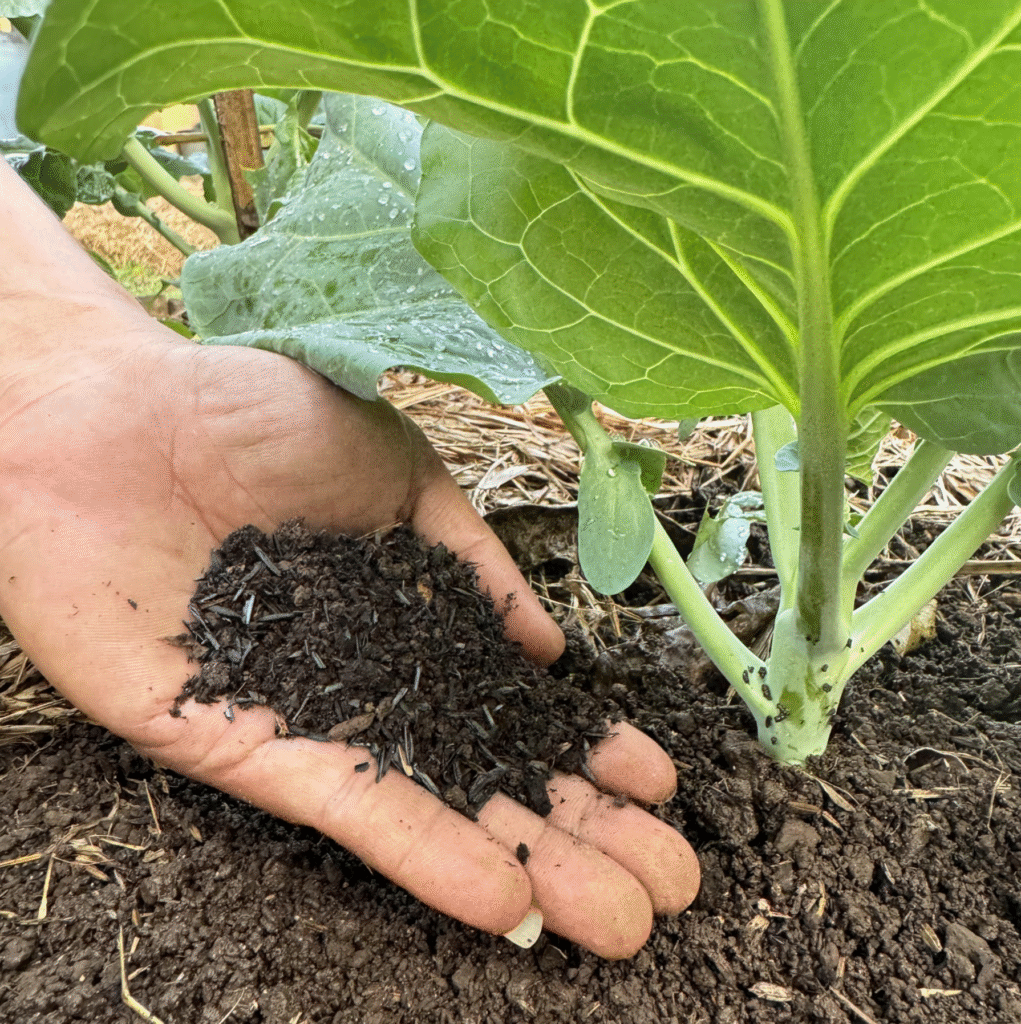
Soil microorganisms do more than nourish the earth—they also nurture the mind. Studies show that microbes like Mycobacterium vaccae can stimulate cytokine production, which in turn boosts serotonin levels. This effect is similar to that of antidepressant medications such as Prozac.
Serotonin is a neurotransmitter vital for regulating mood, sleep, and appetite. A lack of serotonin is strongly linked to anxiety and other mental health issues.
Research has confirmed soil microbes as safe, natural antidepressants. For example, in 2004, an oncologist injected Mycobacterium vaccae into lung cancer patients. The results showed a significant improvement in quality of life, even though the bacteria did not treat the cancer itself.
Fortunately, we don’t need injections to gain these benefits. Simply inhaling or handling healthy soil with bare hands can provide similar positive effects. This opens the door to an accessible, natural way to support mental health.
Gardening Makes You Happier
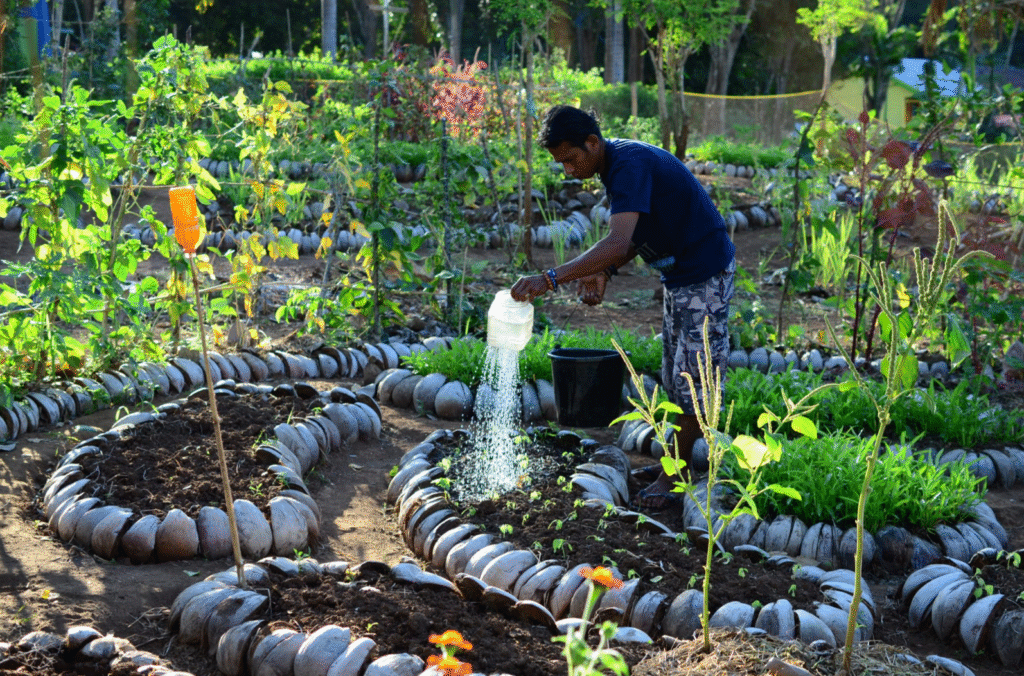
Gardening, a soil-based activity, has been widely studied for its mental health benefits. In Japan, a community gardening program revealed that participants experienced improved moods, while passive observers showed no change.
This proves that direct contact with soil is more effective at boosting happiness than simply sitting and watching from the sidelines. So, let your hands get dirty—soil microbes could help turn your mood around.
After a long, stressful day, a short gardening session may be just what you need to restore emotional balance.
Gardening Reduces Stress Hormones
When we are stressed, the body produces cortisol, the so-called “stress hormone.” High cortisol levels are linked to obesity, heart disease, and other health problems.
The good news? Gardening helps. Just 30 minutes of gardening can significantly lower cortisol levels, promoting calmness and relaxation.
During the COVID-19 pandemic, researcher Gerdes and colleagues found that gardening and other outdoor activities helped people reduce anxiety. Gardening shifted attention away from stress triggers and prevented unhealthy rumination.
In our fast-paced, high-pressure world, chronic stress is common. Left unchecked, it robs us of joy and peace of mind. Gardening offers a simple yet meaningful way to clear our heads and strengthen resilience.
Gardening Boosts Cognitive Function
Soil doesn’t just make us happier and less stressed, it also sharpens the mind.
In 2010, researchers exposed mice to Mycobacterium vaccae by feeding them bread laced with the bacteria. Astonishingly, the treated mice learned tasks faster and showed lower anxiety. They completed mazes twice as quickly as untreated mice.
Other studies confirm that gardening enhances neuroplasticity and cognitive functions. Soil exposure increases brain-derived neurotrophic factor (BDNF), vascular endothelial growth factor (VEGF), and platelet-derived growth factor (PDGF)—all essential for brain growth and resilience.
In short, gardening is more than a hobby. It’s an activity that supports brain health and prepares us mentally for life’s challenges.
Zahra’s Story: Healing Depression Through Gardening
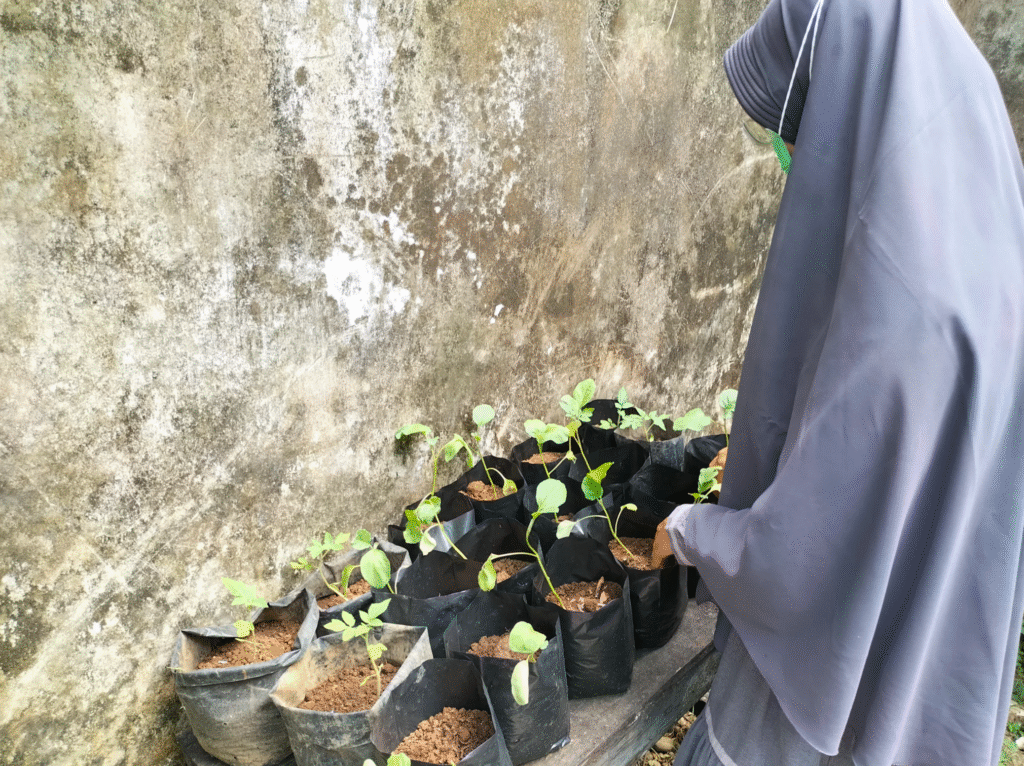
For Zahra, gardening became a lifeline out of depression. As she shared in an article on konde.co, severe depression once drove her into isolation and hopelessness.
Her psychologist diagnosed her with severe depression and encouraged her to engage in enjoyable activities. By chance, Zahra loved planting. She began gardening—and slowly noticed her overthinking ease, and her heavy feelings fade away.
She found gardening more effective than journaling, and by August 2023, she was able to stop using antidepressants altogether.
Inspired by her recovery, Zahra launched “Waras Berkebun” (Healing Through Gardening), an initiative inviting people with depression or other mental health struggles to try gardening as therapy. She hopes small home gardens can serve as safe healing spaces, just as they did for her.
Gardening is more than planting seeds, it’s planting resilience. Thanks to soil microorganisms like Mycobacterium vaccae, it can help reduce stress, ease depression, boost brain power, and restore balance.
Backed by science and lived experiences like Zahra’s, the soil beneath us proves to be a powerful, natural ally in supporting mental health.
Article: Khasna Kamila © IDEP Foundation