How IDEP Began
IDEP HISTORY
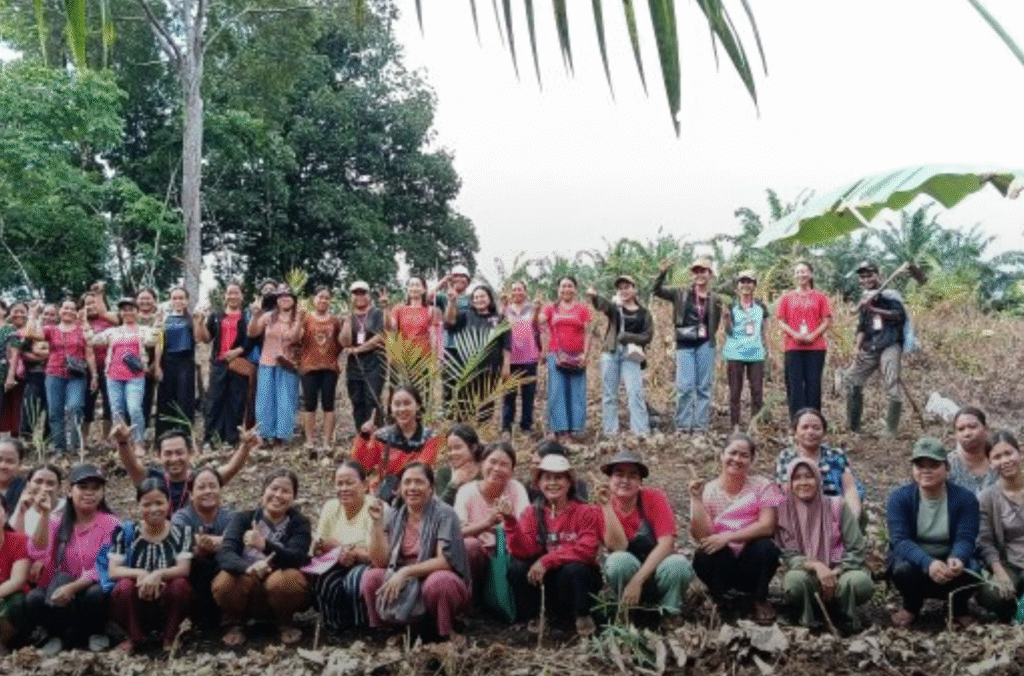
IDEP Foundation was established in 1999 under the name Yayasan IDEP. Legally, IDEP is officially registered with the Ministry of Law and Human Rights and operates across Indonesia. Initially, IDEP stood for Indonesian Development of Education for Permaculture. At that time, the organization’s programs focused solely on introducing and developing permaculture practices in communities as a response to the economic crisis that struck Indonesia in 1998.
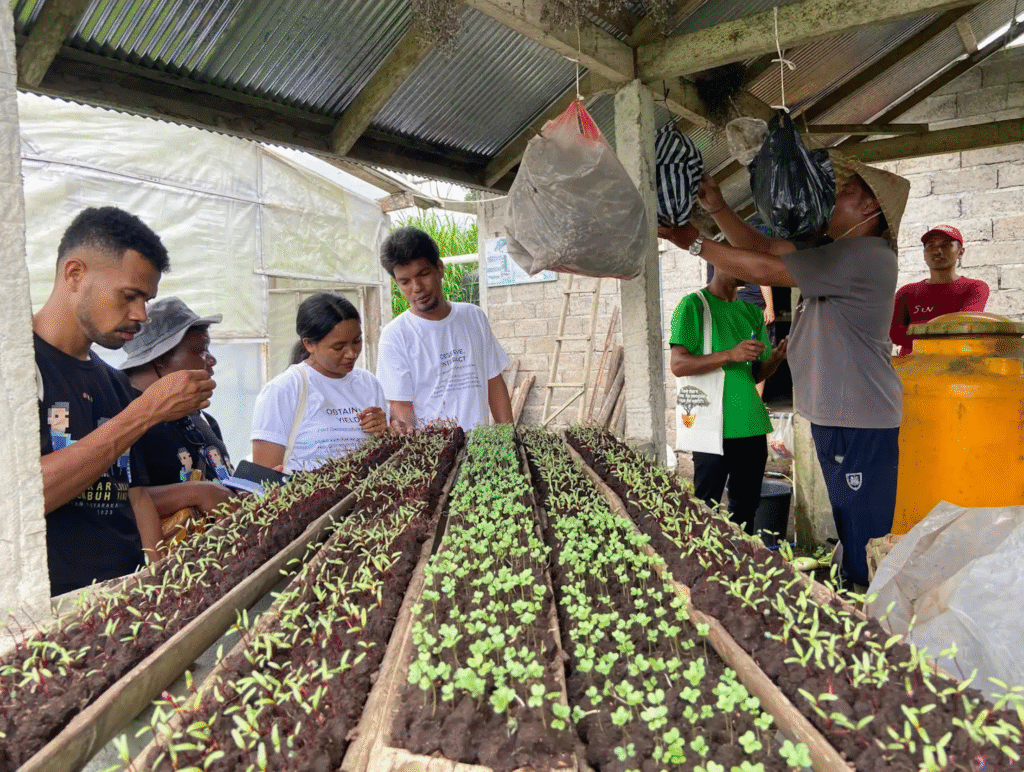
During this early phase, IDEP produced Indonesia’s first permaculture manual, which outlined how sustainable agriculture could be applied both generally across the country and specifically in Bali. Permaculture was introduced as an alternative solution to help communities build food security and develop economic resources, which were heavily reliant on tourism at the time.
Following the Bali Bombing tragedy in 2002, IDEP expanded its program focus to Community-Based Disaster Management (CBDM), drawing on its direct experience assisting victims of the bombing. Over time, IDEP became the first organization to develop a Community-Based Disaster Management Handbook, which was field-tested during the 2004 Aceh Tsunami and the 2005 Nias Earthquake. Using this handbook as a foundation, IDEP has implemented community assistance programs to strengthen disaster preparedness at the grassroots level.
This community assistance program was implemented in Aceh, Nias, Simeulue, Padang, Yogyakarta and Central Java, Bali, and East Nusa Tenggara (NTT).
In 2008, IDEP changed its name to Yayasan IDEP Selaras Alam. The English acronym originally used in the name IDEP was replaced with the meaning of the word idep in Balinese, which refers to an aspect of human consciousness that enables critical thinking.
Over the past 25 years, IDEP has focused on supporting communities with the main goal of building community resilience. This is achieved by enhancing the capacity and self-reliance of communities in terms of food sovereignty and disaster preparedness. These efforts have been implemented across almost all regions of Indonesia through various trainings, intensive facilitation programs, and network development initiatives. The guiding tagline for all these efforts is “helping people to help themselves.”
IDEP began its operations with only four people. Since then, it has grown into a team of dozens of core staff supported by field implementers. Together, they form the extended IDEP family, which continues to strive to contribute meaningfully to the realization of resilient communities.